

On January 21 at 3:00 PM, an international seminar was held in Shinjuku, Tokyo, organized by the Statehood Team of the Contemporary Korea Research Group.
This seminar provided a forum for Japanese and Korean historians of modern Korea to present papers and engage in discussion. As is well known, modern Korean history is a sensitive topic for scholars from both countries. The seminar offered a valuable opportunity to freely exchange opinions and feedback, helping to bridge gaps in historical understanding.
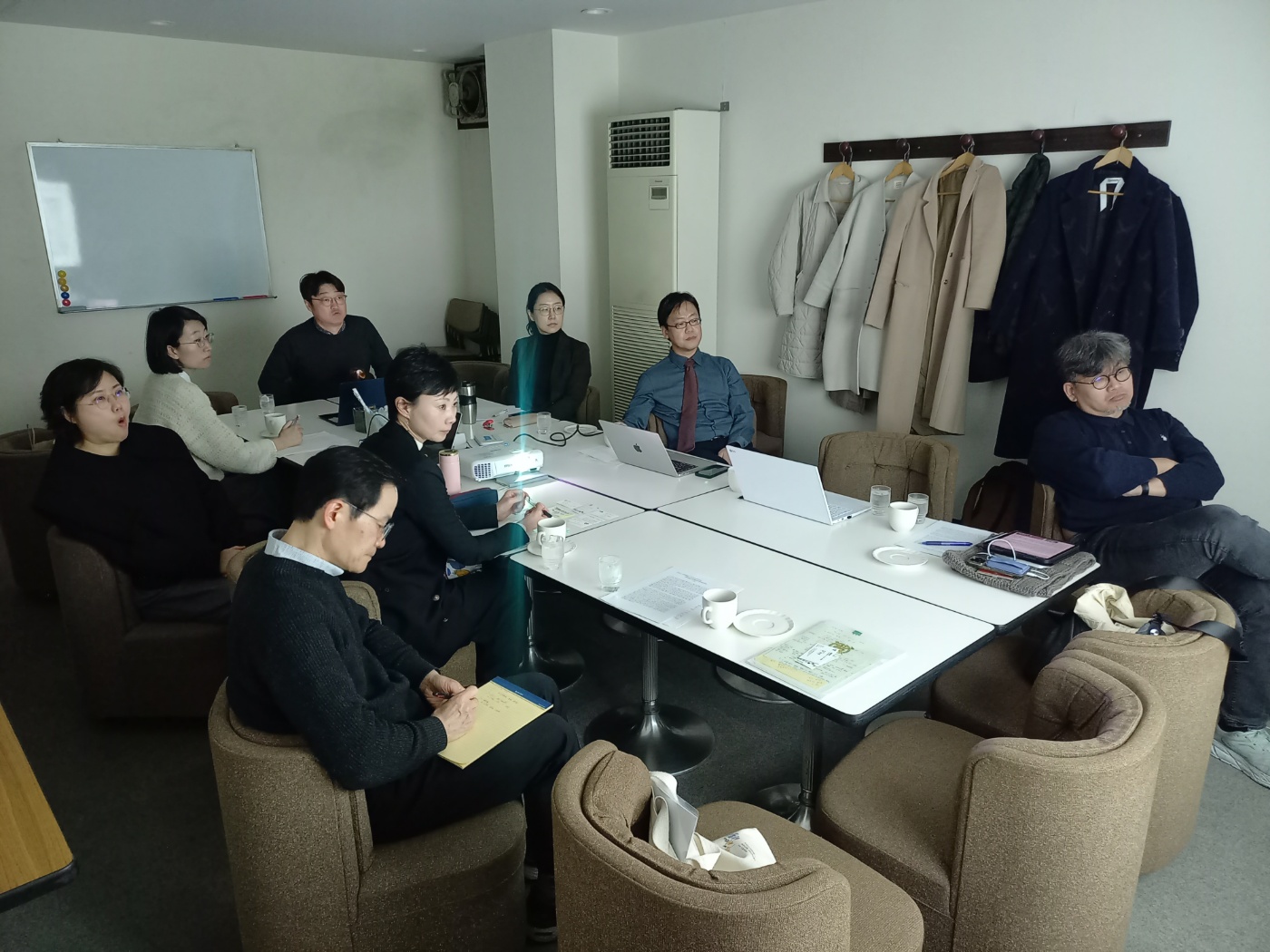
The first presentation was by Professor Jong-uk Hong (Seoul National University Humanities Research Institute), titled “Yu Gwun-hyeong as a Subject of Non-Colonization.” Hong introduced the concept of “non-colonization,” explaining that while “decolonization emphasizes the will of the colonized to escape colonial rule, non-colonization focuses on the historical currents produced by the interactions of colonial resistance and colonial responses when 19th-century colonial governance reached its limits.” He analyzed Yu Gwun-hyeong’s apparent advocacy for autonomy alongside his clandestine organization of the National Foundation Alliance, highlighting the contradictions and framing Yu as a subject of non-colonization.
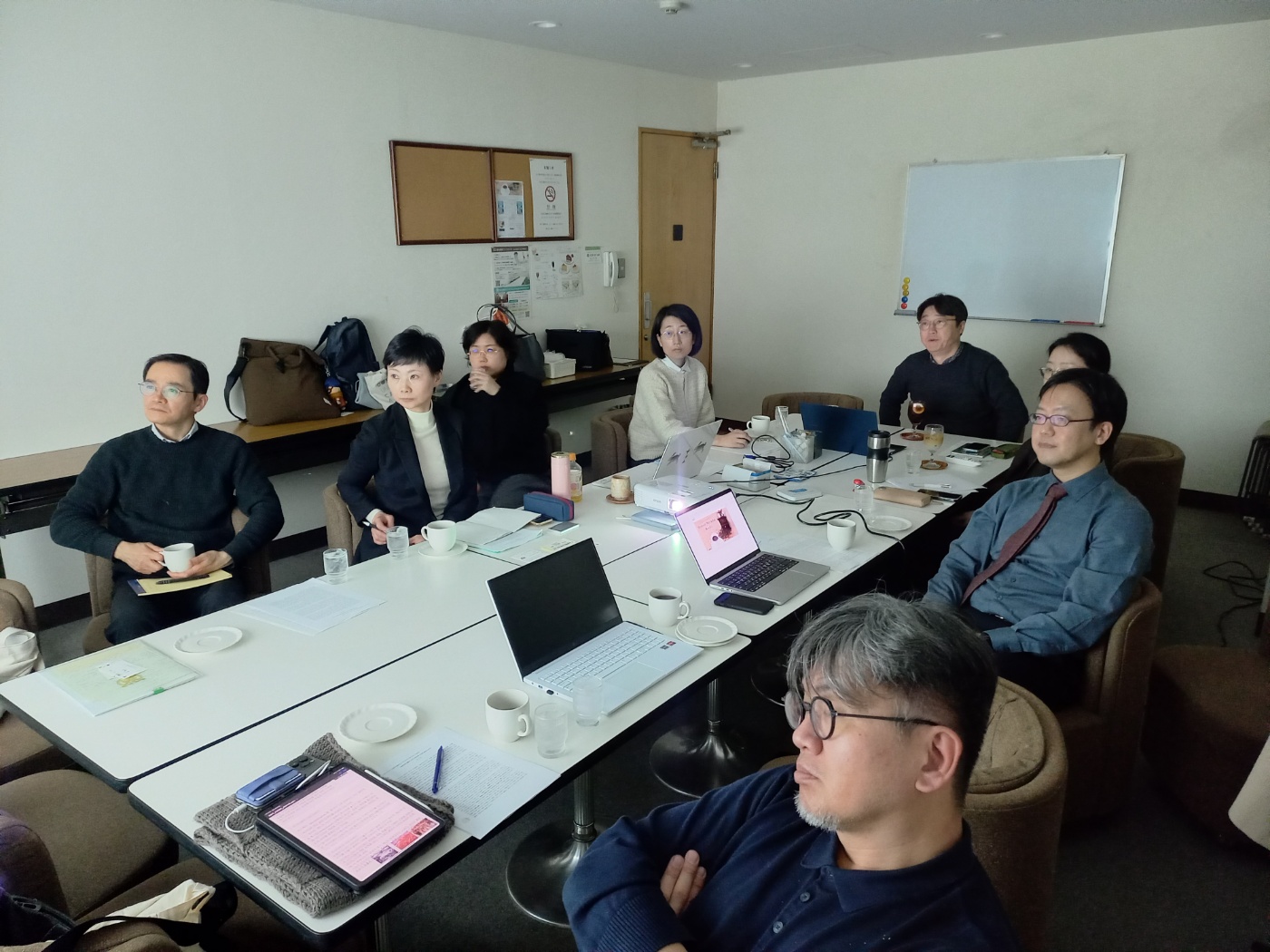
Professor Chihiro Narita (Ritsumeikan University) presented “The Division of the Korean Peninsula and the Okinawa Reversion/Base Issue.” Narita traced changes in attention to Okinawa’s history and its reversion from 1945 to 1972. He explained that both North and South Korea, in the wake of the Korean War, perceived Okinawa in connection to their national security. In South Korea, Okinawa was seen as important due to its use as a U.S. military base, while in North Korea, it was considered a “U.S. invasion base on Korean soil.” When U.S.–Japan negotiations on Okinawa’s reversion intensified in 1965, the South Korean government did not object to Japan’s reversion but insisted on maintaining its military function. Meanwhile, North Korea expressed solidarity with Japanese movements calling for the abolition of the U.S.–Japan Security Treaty and full reversion of Okinawa.
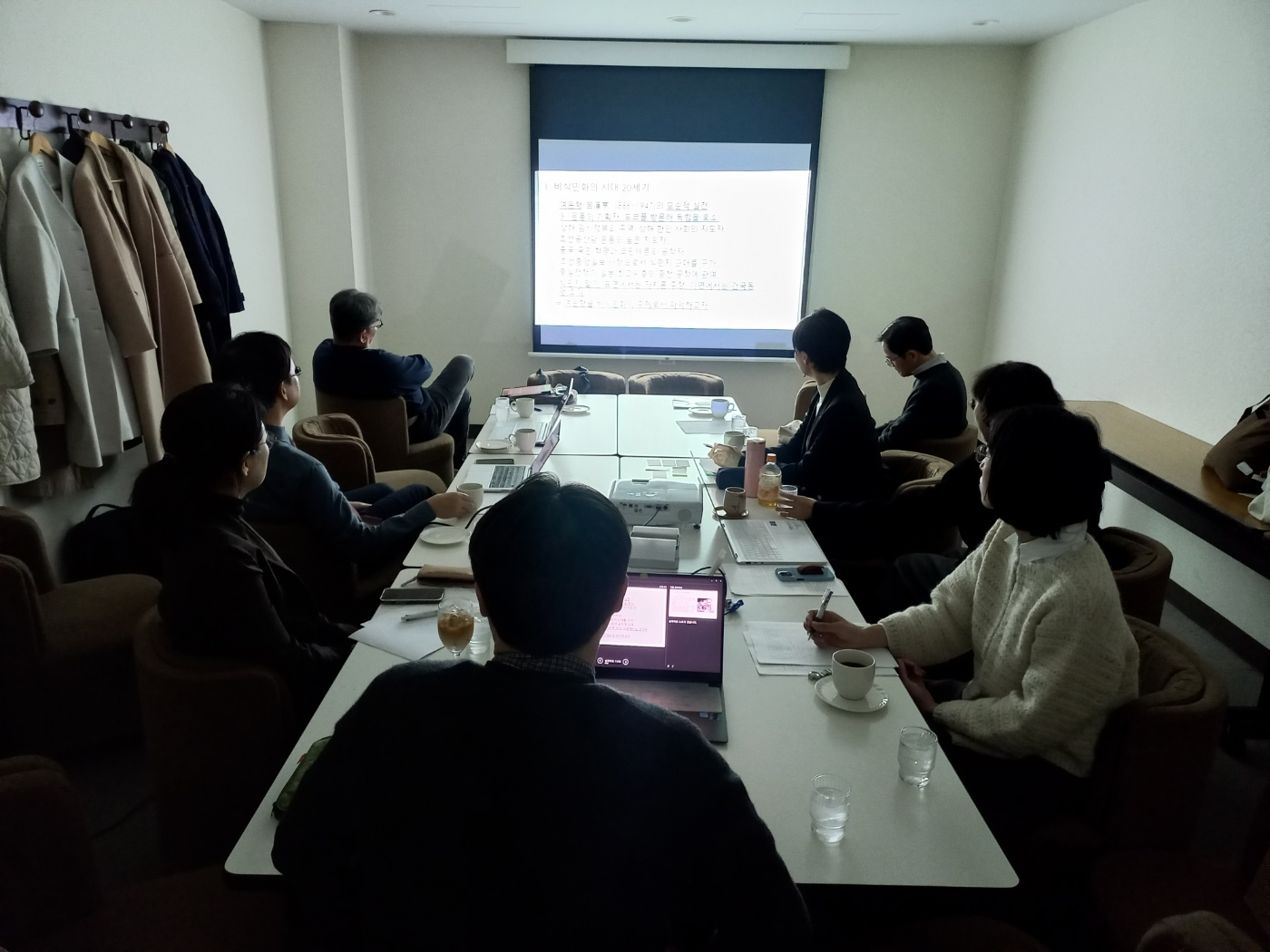
Professor Ji-ye Song (Korea University) presented “Japan’s 1900 Discussions on the Protectorate Status of Korea and the Eulsa Treaty.” This research reviewed prior studies on Japan’s discussions to establish Korea as a protectorate following the Korea–Japan Convention. Song noted that Korean research has mainly focused on the illegality and invalidity of the Eulsa Treaty, and explained how her research differentiates itself from prior studies along four research directions.
The seminar concluded with a roundtable discussion, moderated by Dr. Suji Lee (Tokai University), Associate Professor Jong-hak Kim (Seoul National University), Associate Professor Junyoung Jeong (Seoul National University Kyujanggak Institute for Korean Studies), Senior Researcher Jin-hyeong So (Kyujanggak Institute, Seoul National University), and Professor Chung-yeol Kim (Kyung Hee University Public Governance Research Institute). The discussion covered topics ranging from trends in Okinawa research in Japan to questions about the agency of protected states, generating lively debate and questions throughout.