

Hosted by the Modernity and Development Team of the Institute for Comprehensive Studies of Contemporary Korea at Seoul National University, the lecture series titled “Modernity and Development in Korea: The Aporia of Modernity and Development” opened on September 26. This eight-part series is organized as an open seminar accessible to anyone interested in the topic and is being broadcast live via Zoom. (See poster above.)
This lecture series aims to explore the formation and characteristics of Korean modernity across various fields and to reflect on the meaning of “development” and “progress” in the context of modern Korean history.
The first half of the series focuses on the socioeconomic history of modern Korea and the evolving meaning of modernity.
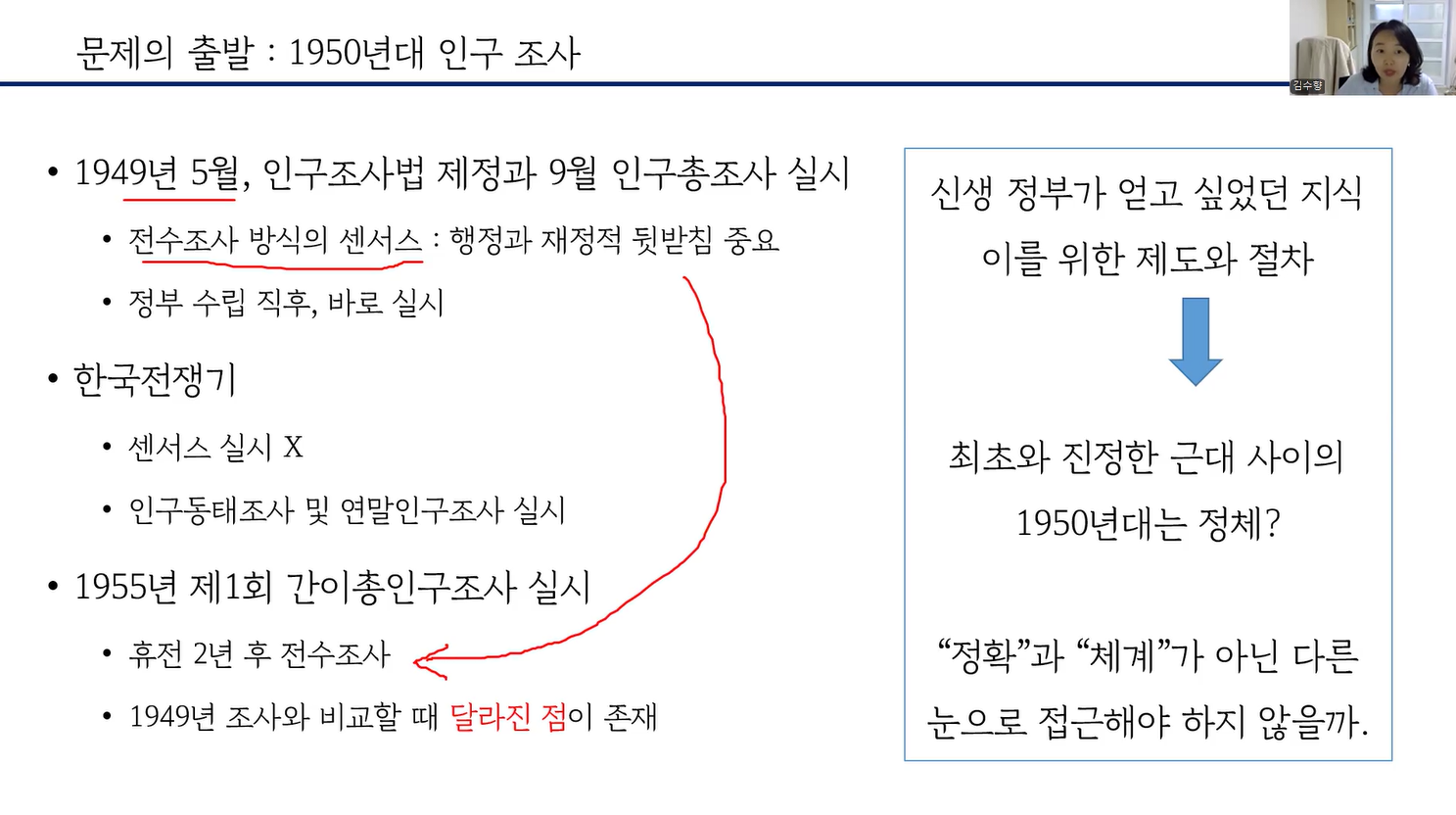
The first lecture, titled “Changes in the Census during the 1950s and Their Implications” by Soo-Hyang Kim (Researcher, National Institute of Korean History), examined how modernity took shape in the early stages of modern Korean history through the development of national census practices before and after the establishment of the government. The lecture was followed by an active Q&A session with participants.
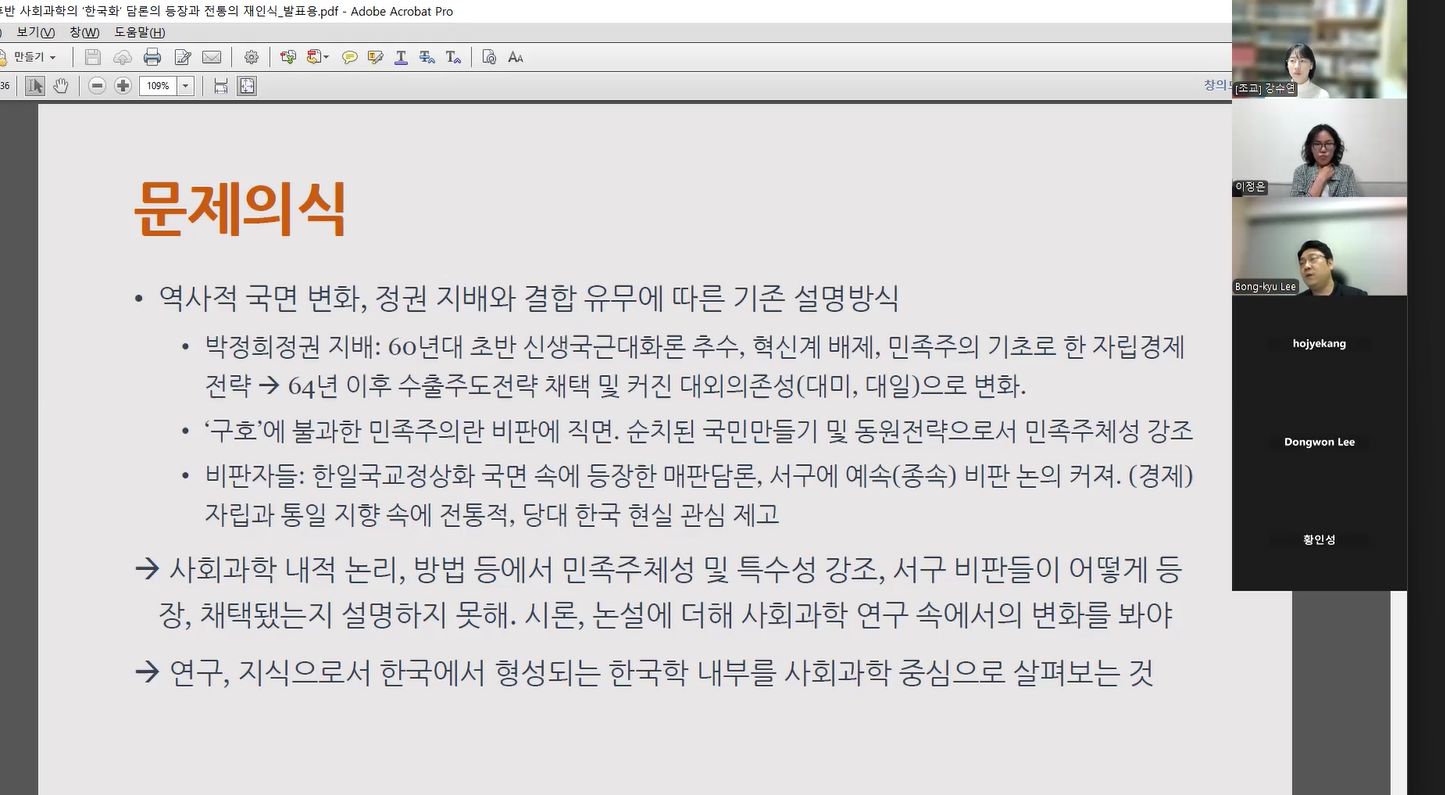
The second lecture, delivered by Professor Bong Kyu Lee (Waseda University), was titled “The Emergence of the Discourse on the ‘Koreanization’ of the Social Sciences in the Mid-to-Late 1960s and the Reinterpretation of Tradition.” It explored the notion of modernity from the perspective of social science discourse.
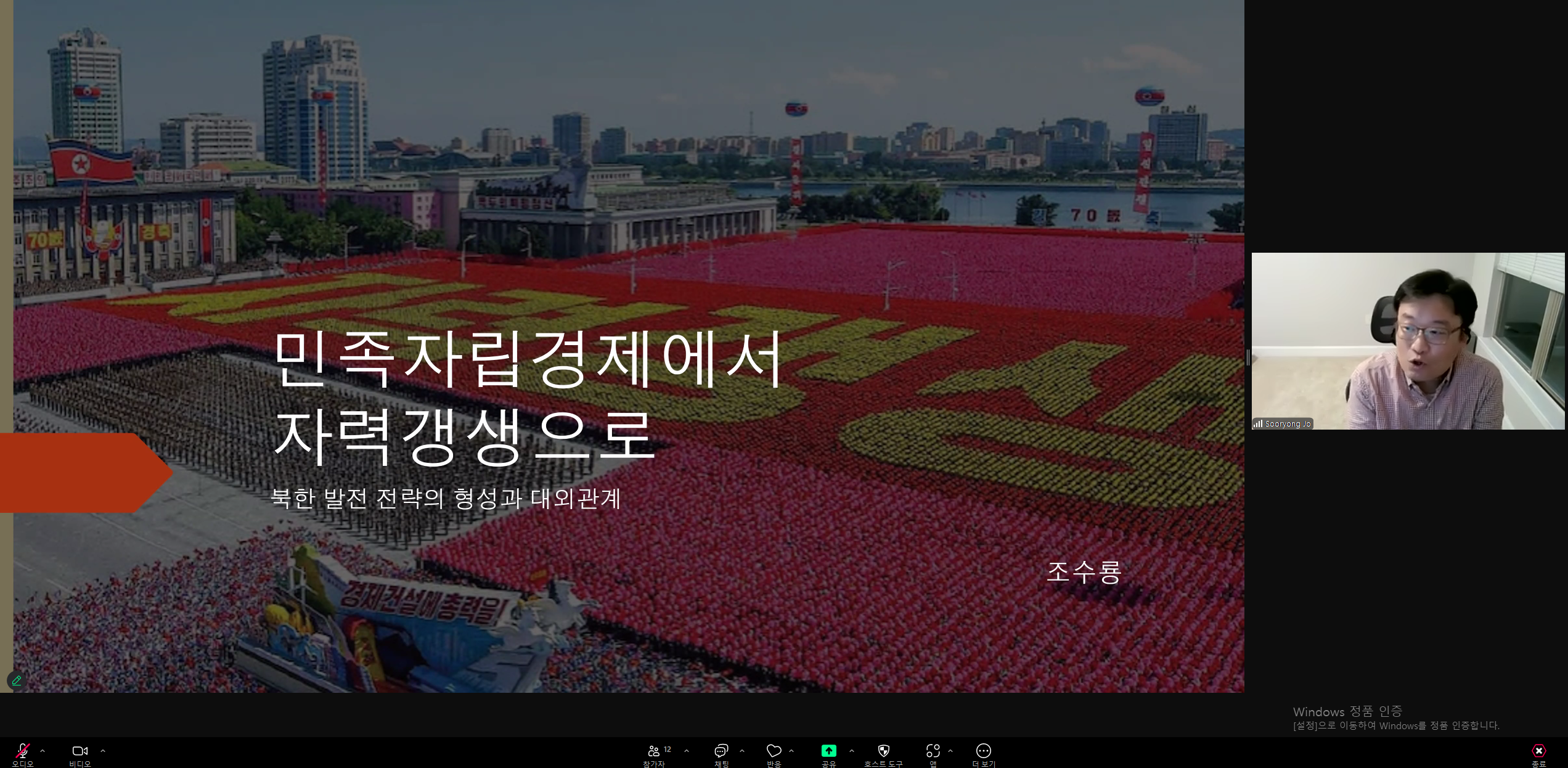
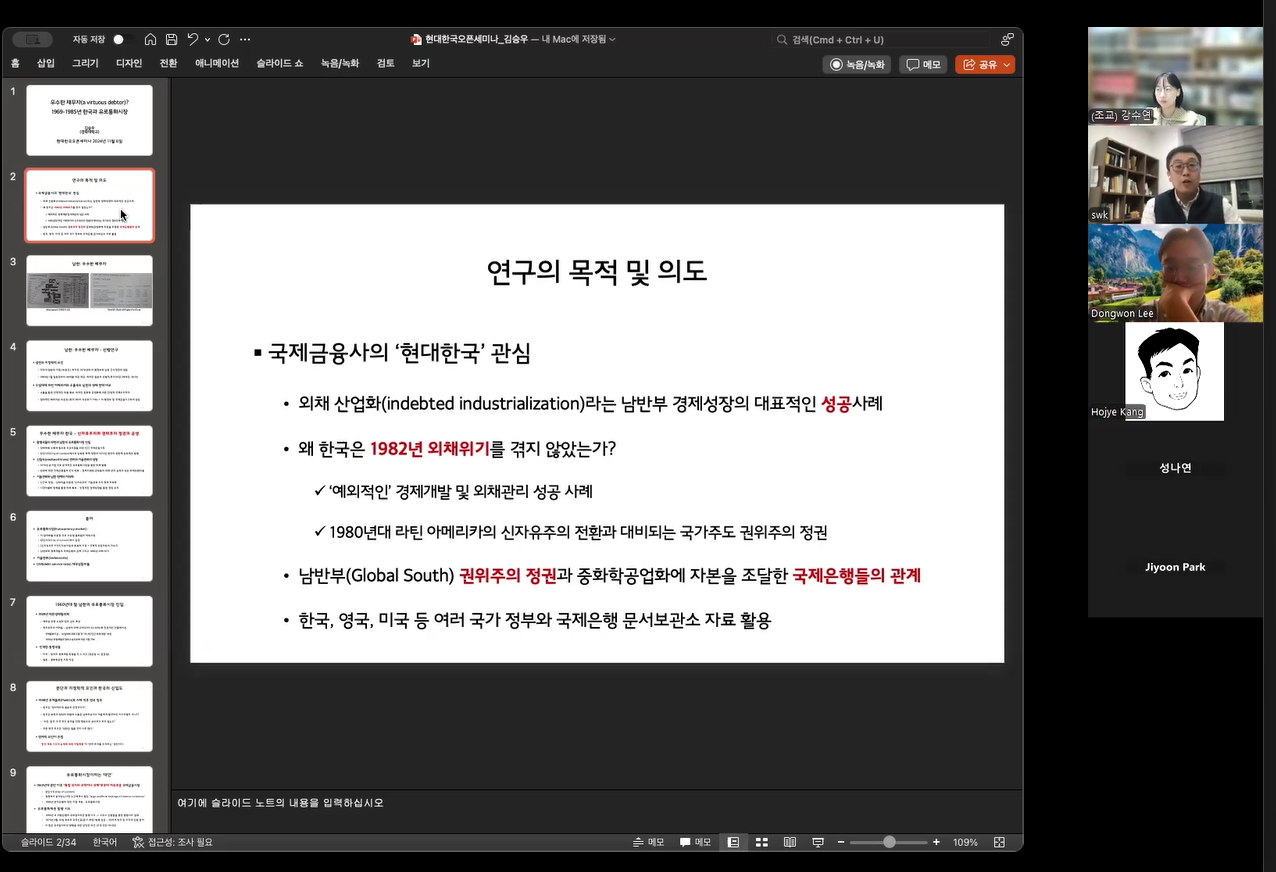
The third and fourth lectures provided opportunities to revisit the meanings of economic development in North and South Korea, respectively.
Soo-Ryong Jo (Researcher, National Institute of Korean History) presented “From a National Self-Reliant Economy to Juche (Self-Sustenance): The Formation of North Korea’s Development Strategy and Its External Relations.” This session offered a valuable academic discussion on historical approaches to North Korea’s economic development.
Next, Professor Seungwoo Kim (then at Kyungpook National University, currently at Hanyang University) gave a lecture titled “A Virtuous Debtor: South Korea in the Eurocurrency market, 1969–1985.” He examined how Korea’s entry into the Eurocurrency market helped it overcome foreign debt crises during its developmental period.
The second half of the series focused on the diverse manifestations of developmentalism in Korea across different fields.
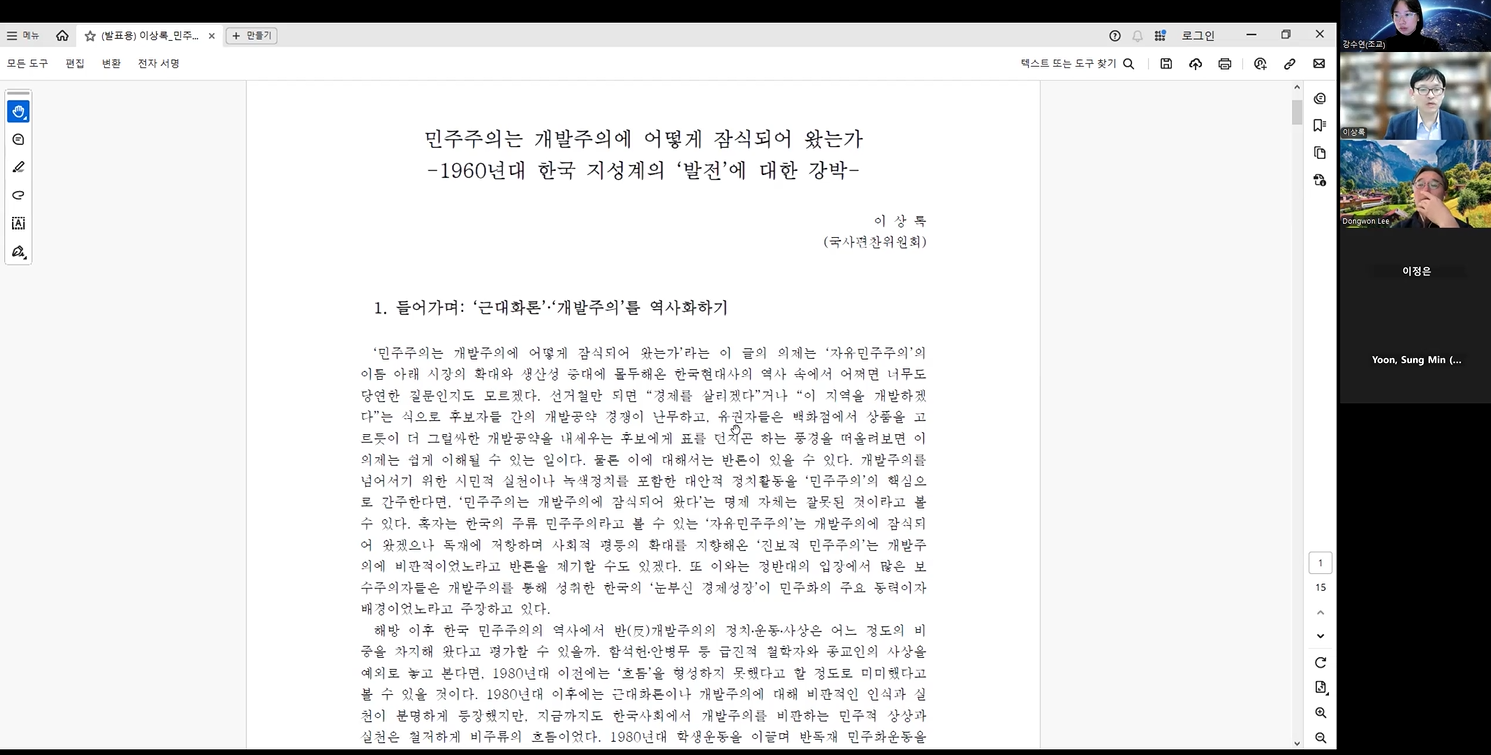
The fifth lecture, presented by Sang-rok Lee (Researcher, National Institute of Korean History), was titled “How Has Democracy Been Encroached by Developmentalism?: The Obsession with ‘the Development’ of the Korean Intellectual Community in the 1960s” This session critically reflected on the intellectual history of developmentalism in Korea and its influence on contemporary Korean society.
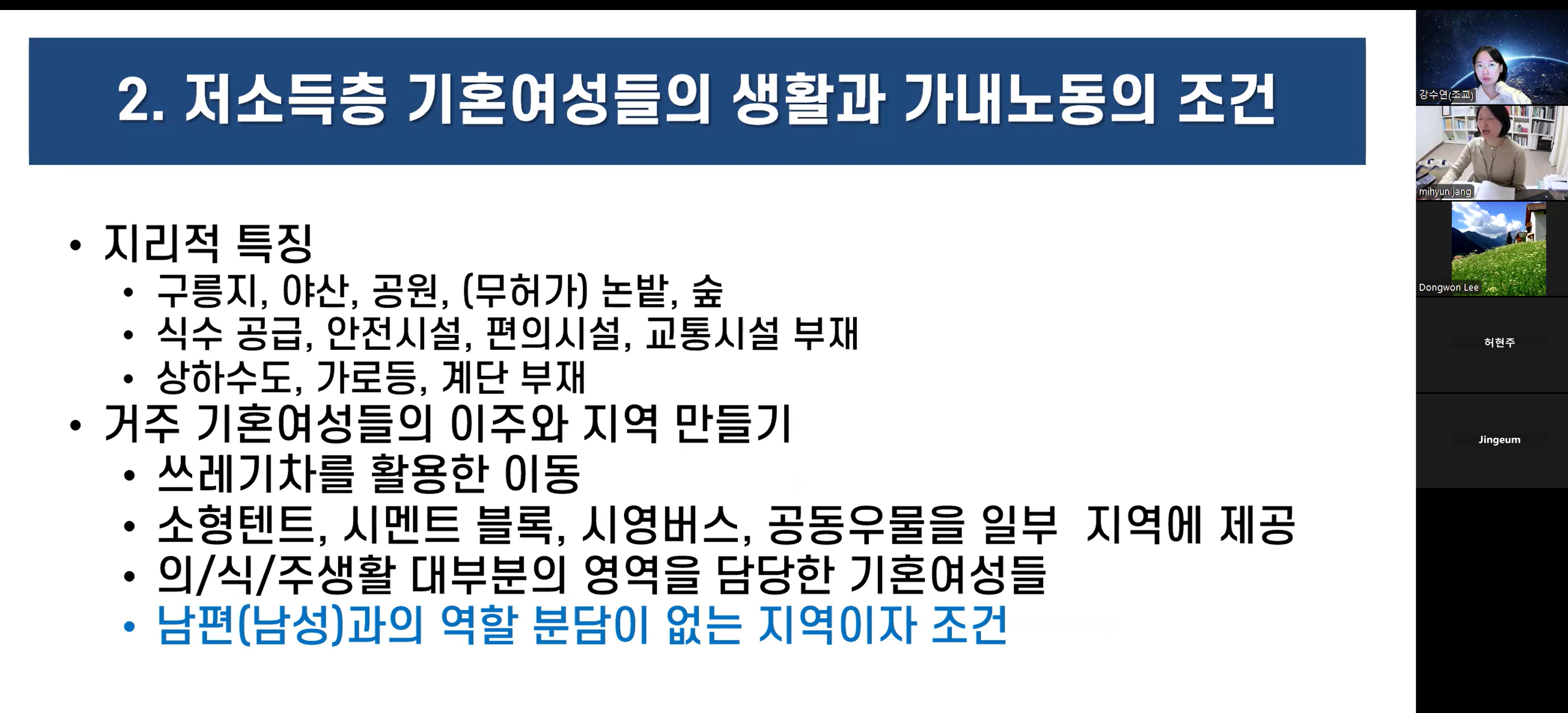
The sixth lecture, given by Mihyun Jang (Team Leader, Research Institute on Japanese Military Sexual Slavery), was titled “Workers at the Bottom of Subcontracting: A Study on Home-Based Labor among Married Women in Seoul.” It provided a gendered perspective by shedding light on the invisible labor of women underlying Korea’s developmental process.
The final two lectures offered cultural and social perspectives on modernization and development.
Jin Geum Han (Curator, Independence Hall of Korea) presented “The
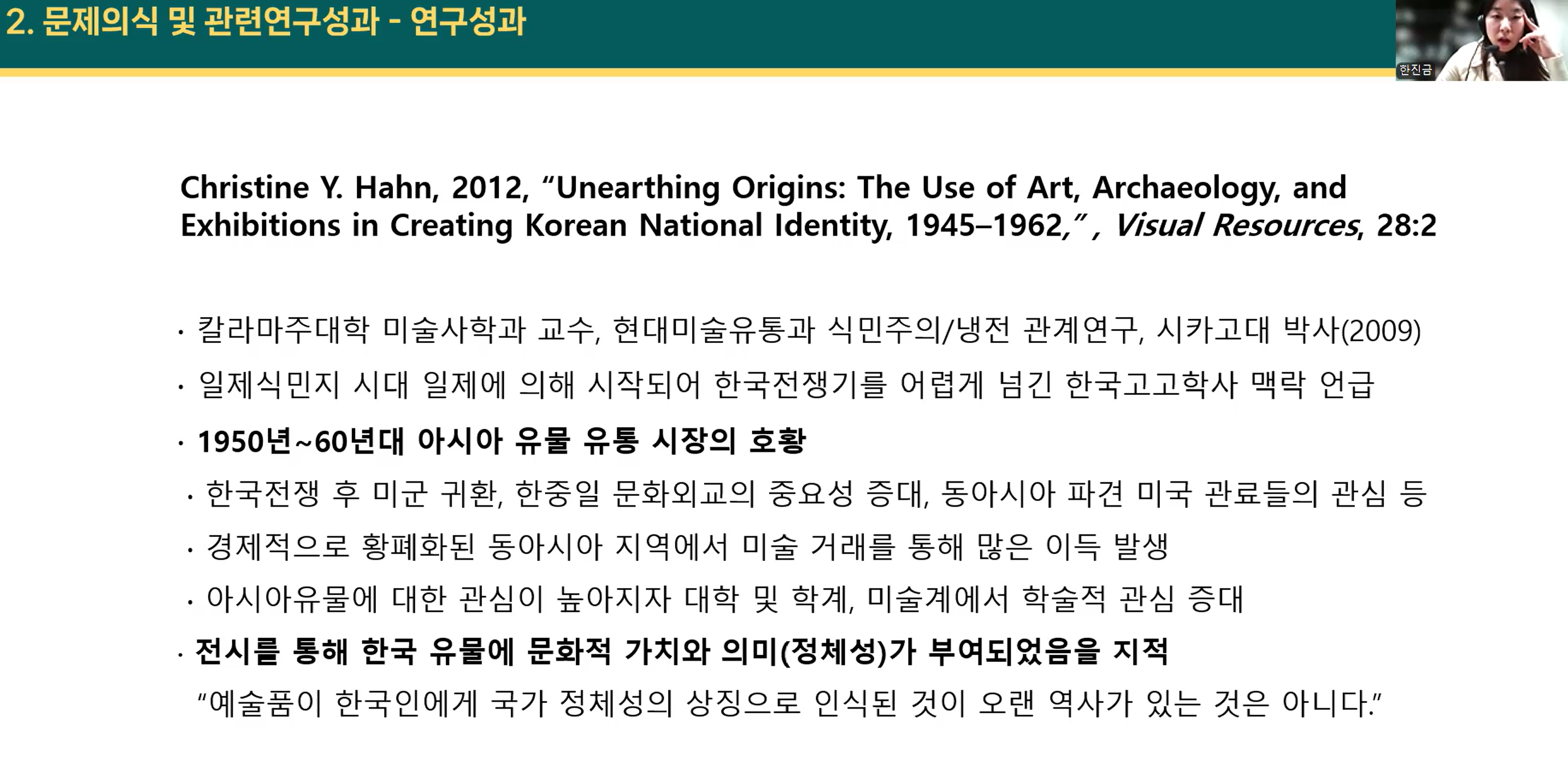
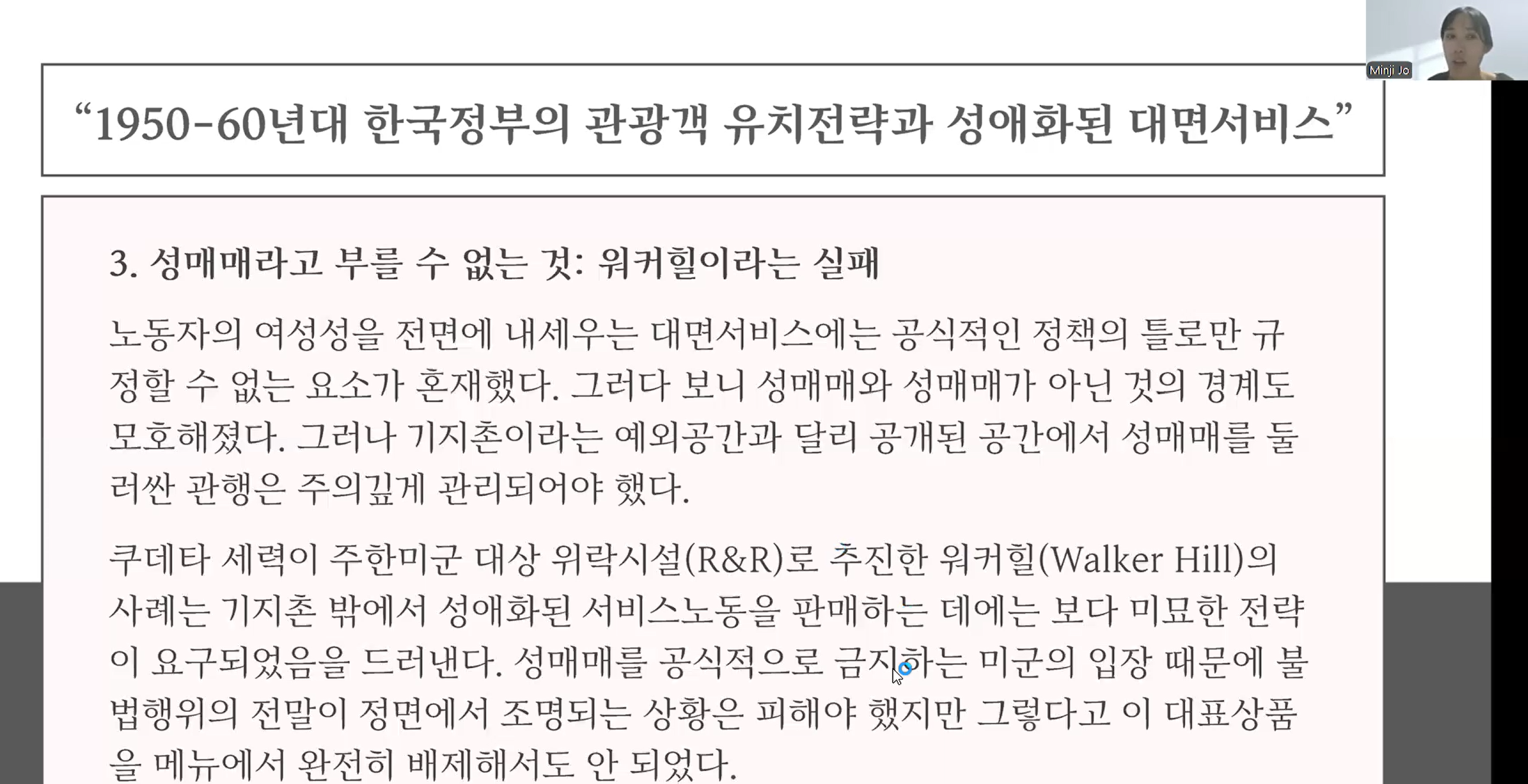
Finally, Minji Jo (then Researcher, Institute for Social Sciences, Chungbuk National University; currently Professor at The Catholic University of Korea) delivered a lecture titled “Prostitution or Non-Prostitution: The Tourism Promotion Strategy and Sexualized Service in South Korea during the 1950s and 1960s.” The presentation analyzed how the Korean government’s development policies were intertwined with sexualized representations and tourism strategies.
Through this eight-part open seminar series, participants—including university members and researchers from various fields—were able to share diverse research findings and deepen their understanding of modernity and the history of development in modern Korea.