
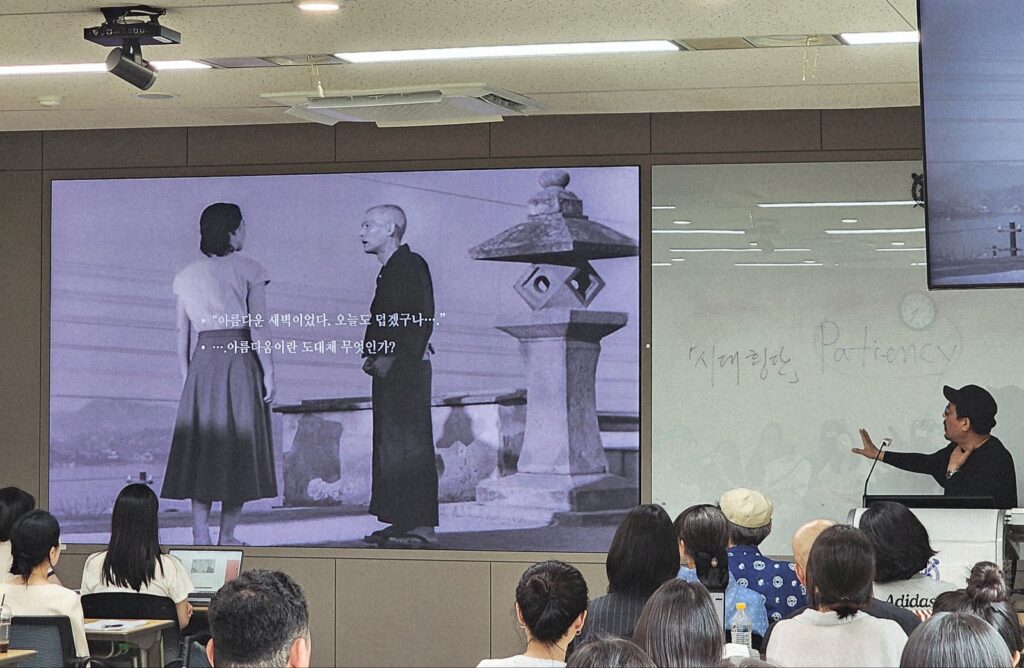

On July 16, 2026, the K-Future Team hosted its 15th Theory Ateliers, featuring a lecture by Professor Hong-Jung Kim of Seoul National University’s Department of Sociology. Titled “Prolegomena to an Aesthetics of the Anthropocene: Beauty and Kenosis,” the event drew as many as eighty researchers and students despite taking place during the summer recess.
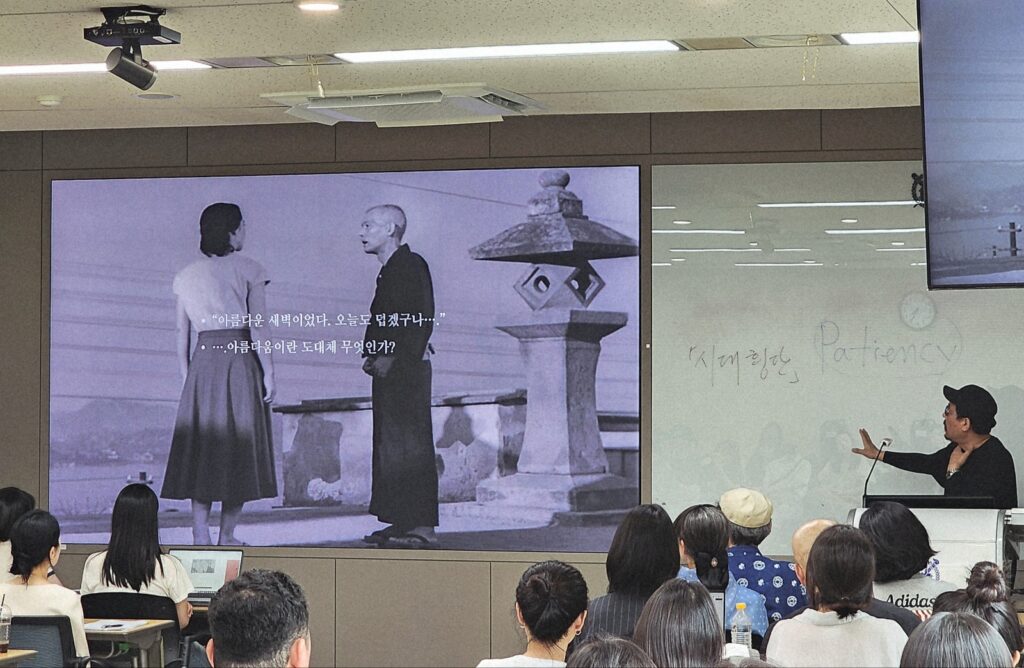
The lecture began with a scene from Yasujirō Ozu’s Tokyo Story (1953). After losing his wife, Tomi, at the end of their journey, the elderly Shūkichi looks upon the dawn and remarks, “It was a beautiful dawn. Another day of heat, it seems.” Passing through this paradoxical moment—the perception of beauty amid profound loss—the lecture posed its opening question: What, after all, is beauty?
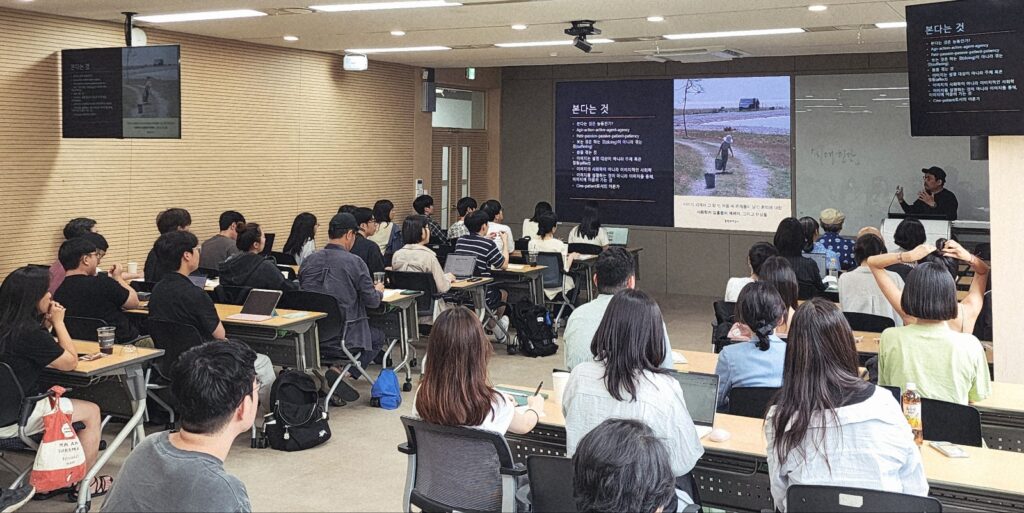
Professor Kim then reconsidered the modern, “conative” image of the human being, grounded in self-preservation and expansion, and explored an alternative principle of existence through kenosis: self-emptying, withdrawal, and descent. Yeong-hye in The Vegetarian and Shin-ae in the film Secret Sunshine were presented as figures who, in different ways, unsettle the boundary between self-preservation and self-emptying. Yeong-hye’s renunciation of humanity and her “becoming-tree,” in particular, were interpreted as a trans-temporal sign that anticipates values not yet realized. Kenosis, the lecture suggested, enables us to illuminate a paradoxical force through which human beings relinquish certain rights and capacities, open possibilities for coexistence with others and nonhuman life, and help orient an ecological civilization still to come.
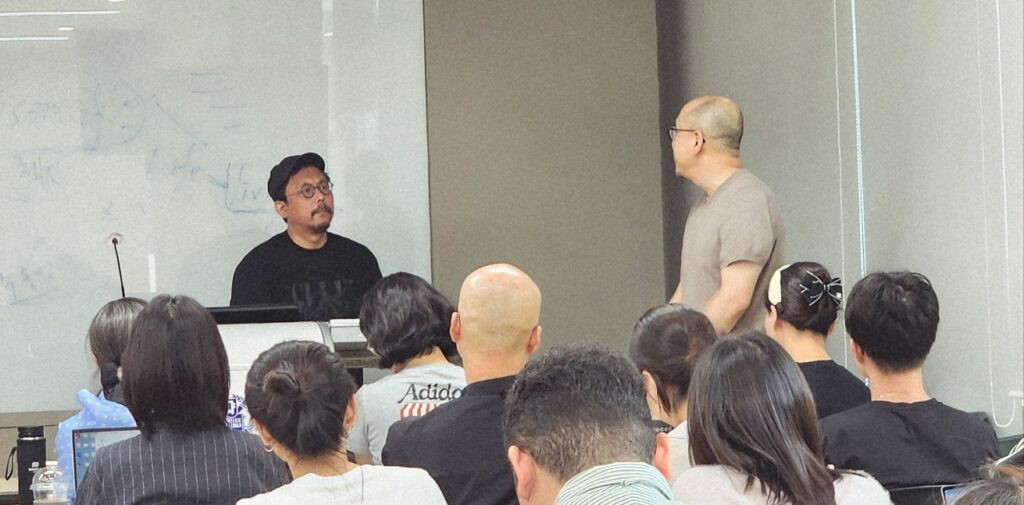
A wide-ranging floor discussion followed. Participants first asked whether conatus and kenosis should be understood as mutually exclusive principles, and how the two movements might become entangled within concrete forms of existence. Discussion also addressed the academic status and theoretical relevance of the Anthropocene following the 2024 rejection of the proposal to formalize it as an official geological epoch. Finally, participants considered how kenosis has been represented in literature and the arts, and how such aesthetic forms of thought might enter into productive dialogue with sociology.