The 1st International Conference for Contemporary Korean Studies opened with welcoming remarks that outlined the broader intellectual vision of the SNU Contemporary Korea Research Group. The ceremony was moderated by Professor Yoo Yohan of the Department of Religious Studies at Seoul National University and featured a video address by SNU President Honglim Ryu, followed by remarks from Professor Hyeong-Ki Kwon, Director of the Research Group.
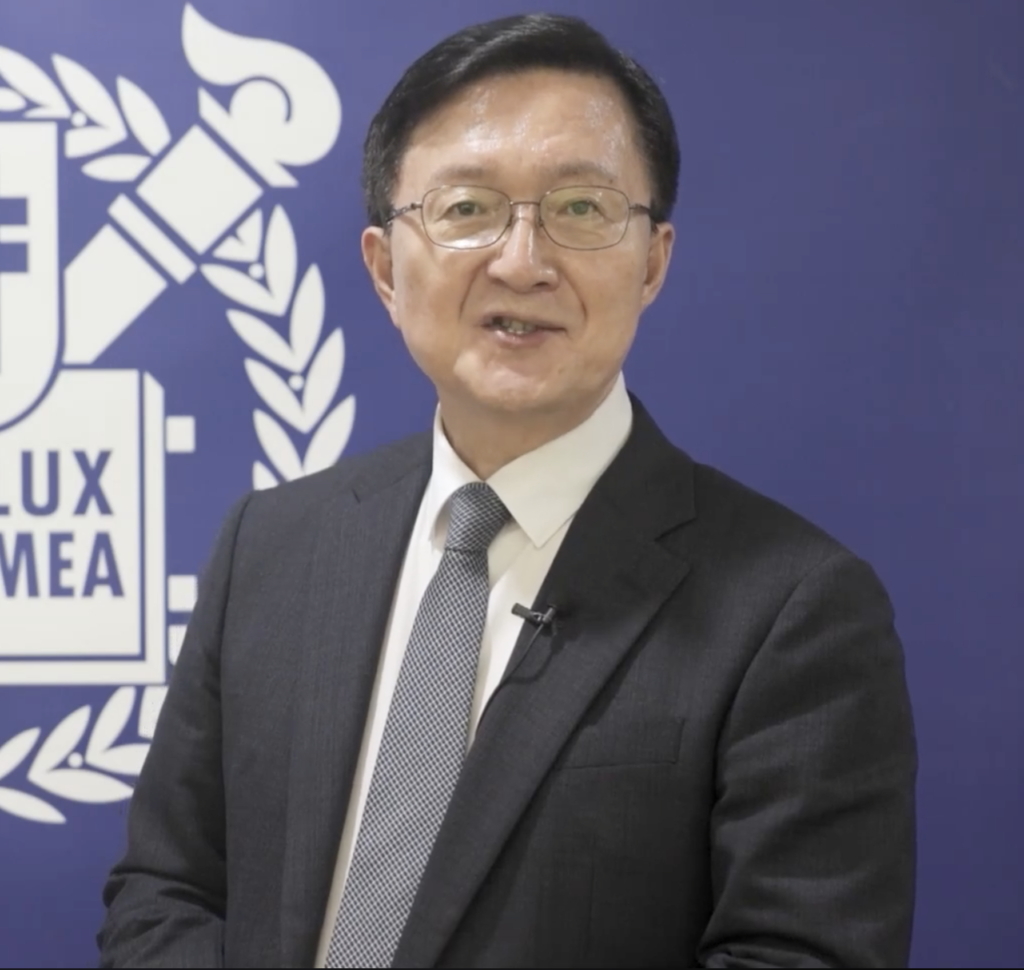
President Ryu highlighted the unprecedented global attention directed toward contemporary Korea. Korea’s economic growth and democratic development have long attracted international interest, while K-dramas, Korean music, cuisine, and other forms of popular culture have further expanded Korea’s global visibility. This growing interest has also been reflected in increasing enrollment in Korean Studies courses and programs at universities around the world. He emphasized, however, that such interest should move beyond curiosity about Korea as a national “success story” and develop into systematic and in-depth academic inquiry.
Building on Seoul National University’s long tradition of research on Korean history and culture, President Ryu argued that the university should take a leading role in establishing Contemporary Korean Studies as a distinct academic field. Such a field should extend across politics, economics, society, culture, religion, engineering, and technology and should encourage research that crosses disciplinary boundaries. At the same time, Korean experiences should not be treated merely as isolated or exceptional cases. By placing Korea in conversation with global transformations and broader human concerns, Contemporary Korean Studies could contribute to both theoretical understanding and practical responses to shared social challenges.
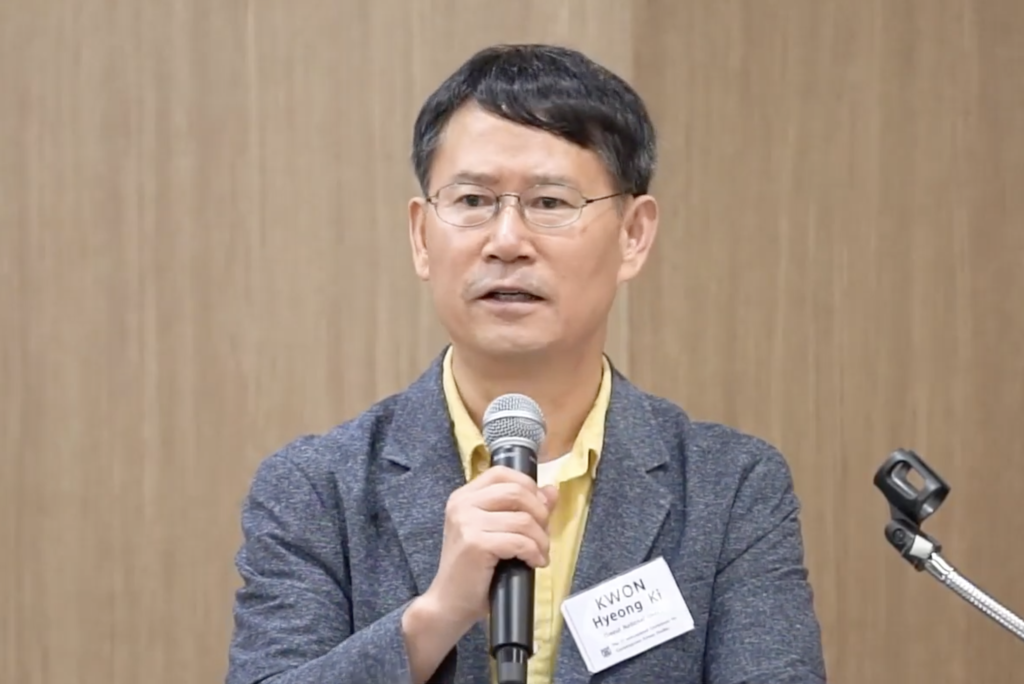
Professor Hyeong-Ki Kwon further elaborated on this vision by noting a growing gap between worldwide interest in contemporary Korea and the traditional scope of Korean Studies. While Korean Studies has historically concentrated heavily on language, history, and traditional culture, international interest now encompasses economic development, democracy, religion, popular culture, and many other dimensions of contemporary society. He therefore called for an expansion of Korean Studies capable of addressing contemporary Korea in a comprehensive, comparative, and multidisciplinary manner.
Professor Kwon also stressed that Korea’s experiences should be examined within the broader context of human history rather than understood solely in terms of Korean particularism. The Research Group consequently seeks to build a global network connecting scholars of contemporary Korea across disciplines and regions, with Seoul National University serving as an intellectual hub linking research and education.
The opening ceremony thus established a shared agenda for the conference: to respond to the rapidly expanding global interest in Korea by developing a broader and more interdisciplinary field of Contemporary Korean Studies, while moving beyond the simple opposition between Korean particularity and universal theory. This vision provided the intellectual starting point for the sessions that followed over the two-day conference.