<Overview> In Le Témoin jusqu’au bout: Une lecture de Victor Klemperer (2022; “The Witness to the End: A Reading of Victor Klemperer”), Georges Didi-Huberman examines what emotion is and how we might understand the language that bears witness to it. For Didi-Huberman, emotion is bound up with a particular form of division: a sharing that is also a partition. Reading the secret diaries kept by the German-Jewish philologist Victor Klemperer under the Nazi regime, he shows how totalitarianism operated not only as a “real dictatorship” but also as an “affective dictatorship.” Through the control of language, it suppressed the sharing of emotion and permitted only isolated affects. Klemperer’s life-risking act of writing thus appears as an attempt to resist this affective dictatorship and to bear witness, to the end, to the truth of repressed emotions. To testify to the emotions of history is, in this sense, to grasp the moments in which suppressed affects emerge as symptoms and to transmit them in narrative form. How, then, does Didi-Huberman’s account of language and emotion relate to his longstanding concern with images and montage?
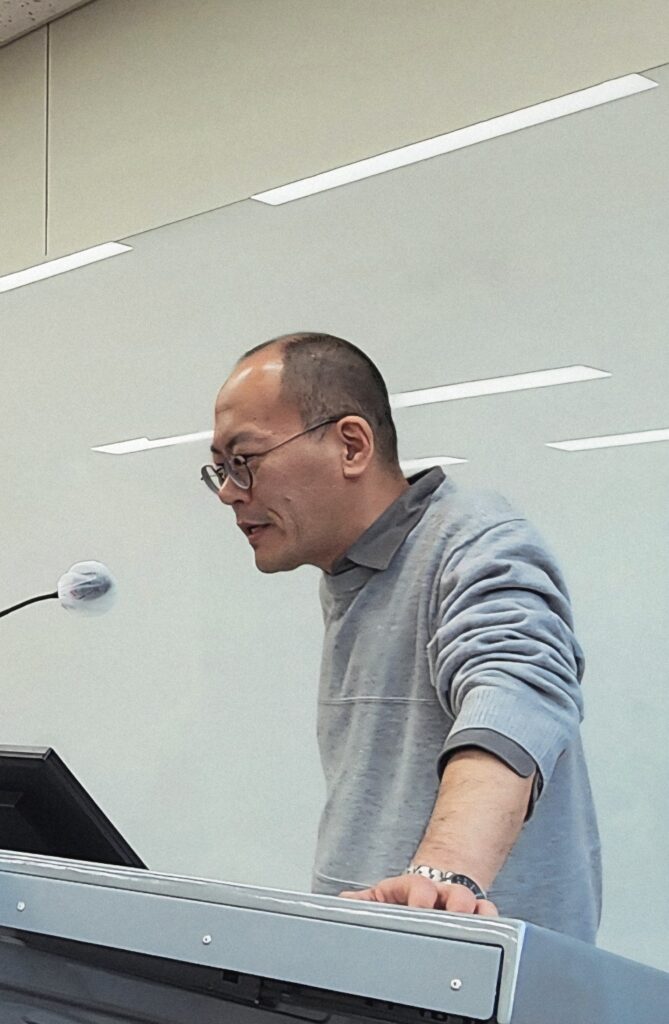
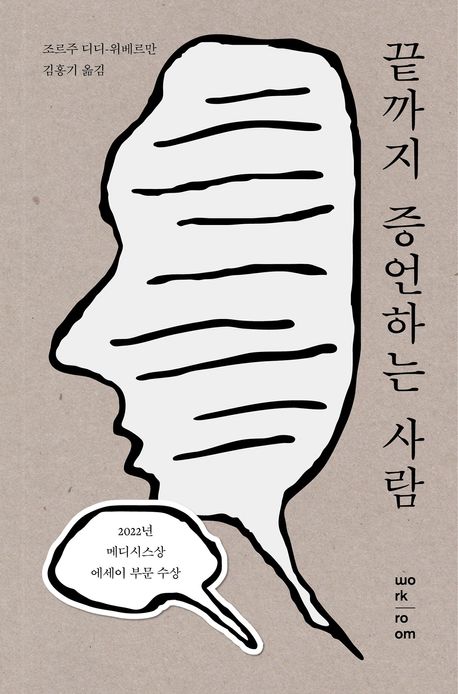
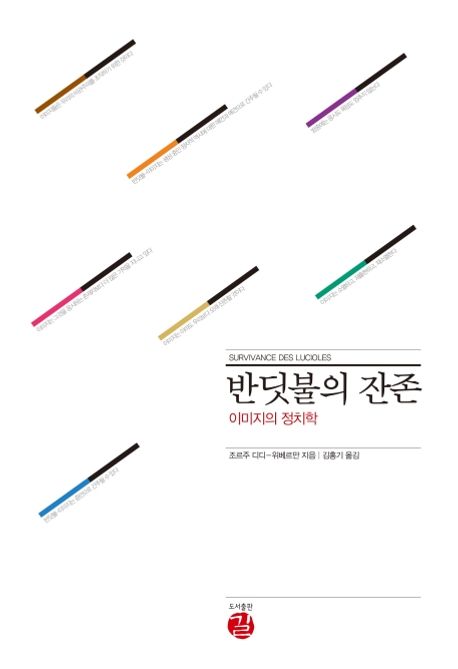
On January 23, 2026, the K-Future Team held its 14th Theory Atelier, centered on a lecture by Hongki Kim titled “Testimony of Emotions, Montage of Symptoms.” Kim, who translated Georges Didi-Huberman’s Survival of the Fireflies into Korean, focused in this lecture on his newly translated Korean edition of Didi-Huberman’s Le Témoin jusqu’au bout: Une lecture de Victor Klemperer (The Witness to the End: A Reading of Victor Klemperer), examining how Didi-Huberman’s concerns with image theory extend into questions of language, emotion, and testimony.
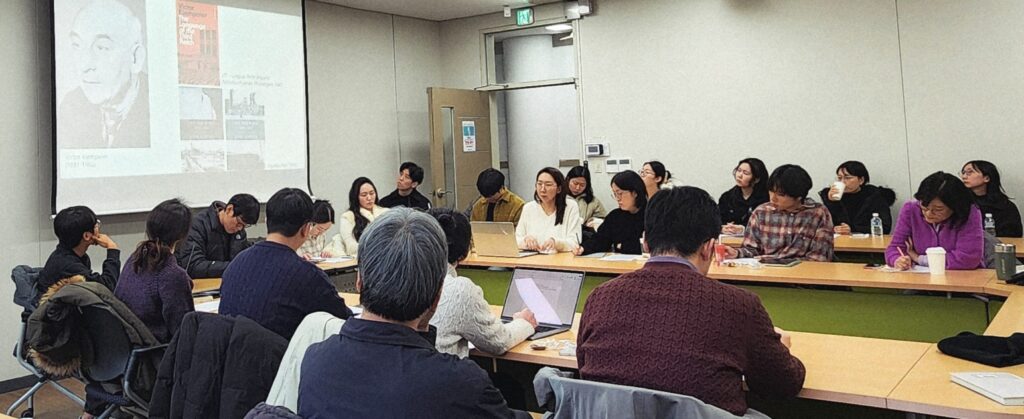
Kim read emotion not as a closed inner feeling, but as an event that unsettles the self and opens it toward relation with others. For Didi-Huberman, emotion holds together surface response and latent symptom; the word “but” becomes a language through which conflicting emotions are allowed to coexist. From this perspective, Klemperer’s diary was interpreted as a testimony to the nuances and fractures of emotion, as well as to the traces of fragile hope, that totalitarian language sought to erase.