<Overview> After receiving my Ph.D. in 2002 with a dissertation on the twentieth-century Russian semiotician Yuri Lotman, I spent roughly a decade as a scholar of theory. This presentation reflects, in a deliberately personal and somewhat affective tone, on how I came to encounter “the Soviet” as a new object of research, and how this encounter led me to rethink my perspective and approach. I will share the trajectory of my work and some of its outcomes, while also touching on the shifts in my current interests and directions. Through this brief “private history” of a researcher’s intellectual path, I hope to evoke something of the transformation of the world around us during the first quarter of the twenty-first century.
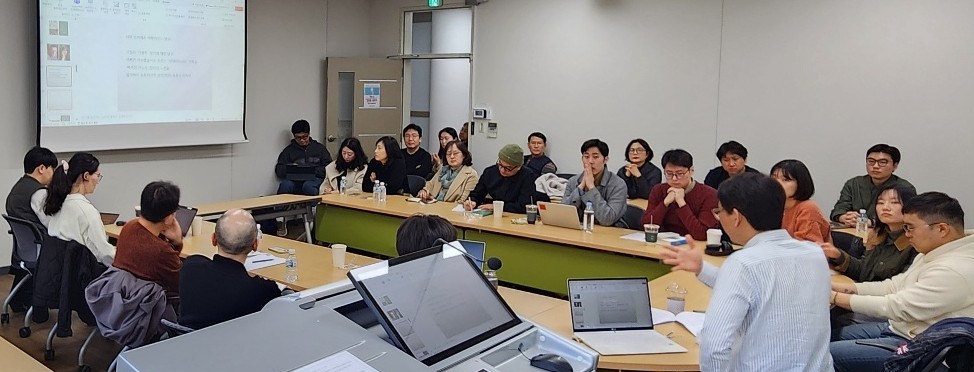
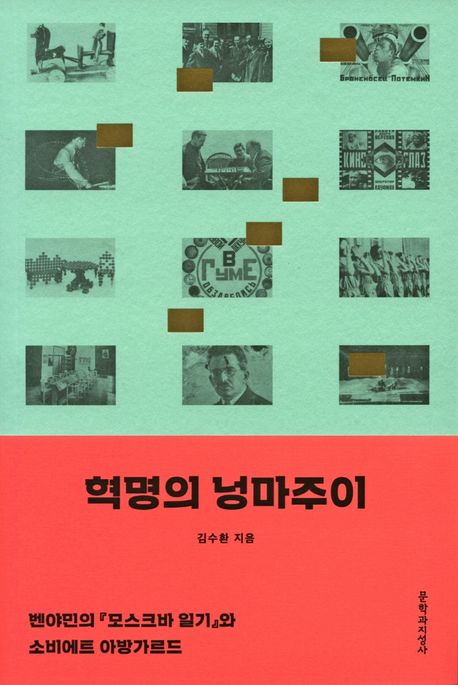
On March 28, 2025, the K-Future Team held a Theory Atelier centered on “How I Learned to Stop Doing ‘Theory’ and Love the ‘Soviet,’” a lecture by Soohwan Kim, Professor in the Department of Russian Studies at Hankuk University of Foreign Studies. Having long worked on Yuri Lotman’s semiotics and as the author of Ragpicker of the Revolution: Benjamin’s Moscow Diary and the Soviet Avant-Garde (2022), Professor Kim recounted, in the form of a personal intellectual history, how his beginnings as a “theory researcher” led him toward Soviet studies.
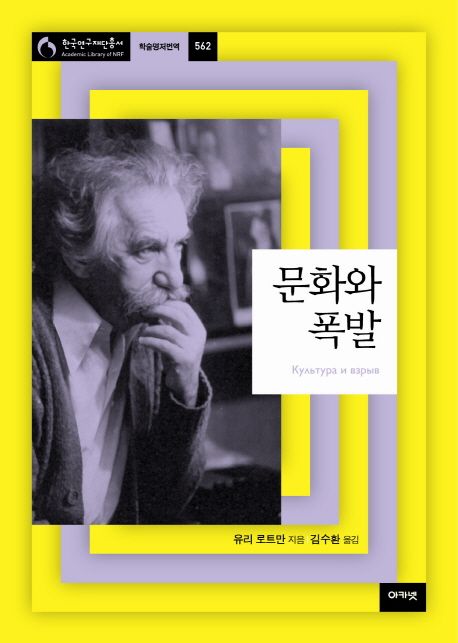
Moving across semiotics, Russian cultural studies, Soviet cinema and the avant-garde, and late socialism, Kim traced the way in which the “Soviet” came to appear to him as a newly compelling object of study. Following the traces of abandoned possibilities, discarded paths, and utopian imagination, the lecture showed how a shift in one scholar’s intellectual concerns has intersected with changing ways of sensing the world over the first quarter of the twenty-first century.